
Science Fiction as Strategy
A Rogue Union Live Session
-with Paul Graham Raven
23 April 2026, 14:00 GMT
Online on Zoom
Open to all
The social impact sector talks a lot about changing the world.
But when it comes to imagining radically different worlds, our imagination often shrinks.
We optimize systems. We tweak policies.
Meanwhile, science fiction writers have spent decades imagining futures that break the frame entirely.
How can fiction be used as thought experiments that stretch what people believe is possible?
In this Rogue Union live session, we explore the question: What can social change leaders learn from science fiction?
Stories have a curious way of escaping the page. They move into culture, shape how people think about the future, and sometimes even influence the direction of technology and politics. In a networked world where ideas spread quickly and unpredictably, understanding how these shared imaginaries travel—from books into minds, and from there into society—can become a surprisingly practical strategic skill.
In this session, we’ll place science fiction within a longer history of imagining different worlds, including the utopian traditions that have inspired generations of social movements.

We’ll explore:
Why science fiction has shaped real technological and social change
What the utopian tradition can teach us, and where it has gone wrong
How stories function as thought experiments for the future
Why the social impact sector often suffers from a poverty of imagination
How activists, strategists, and entrepreneurs can might draw on speculative fiction thoughtfully rather than simply borrowing their aesthetics
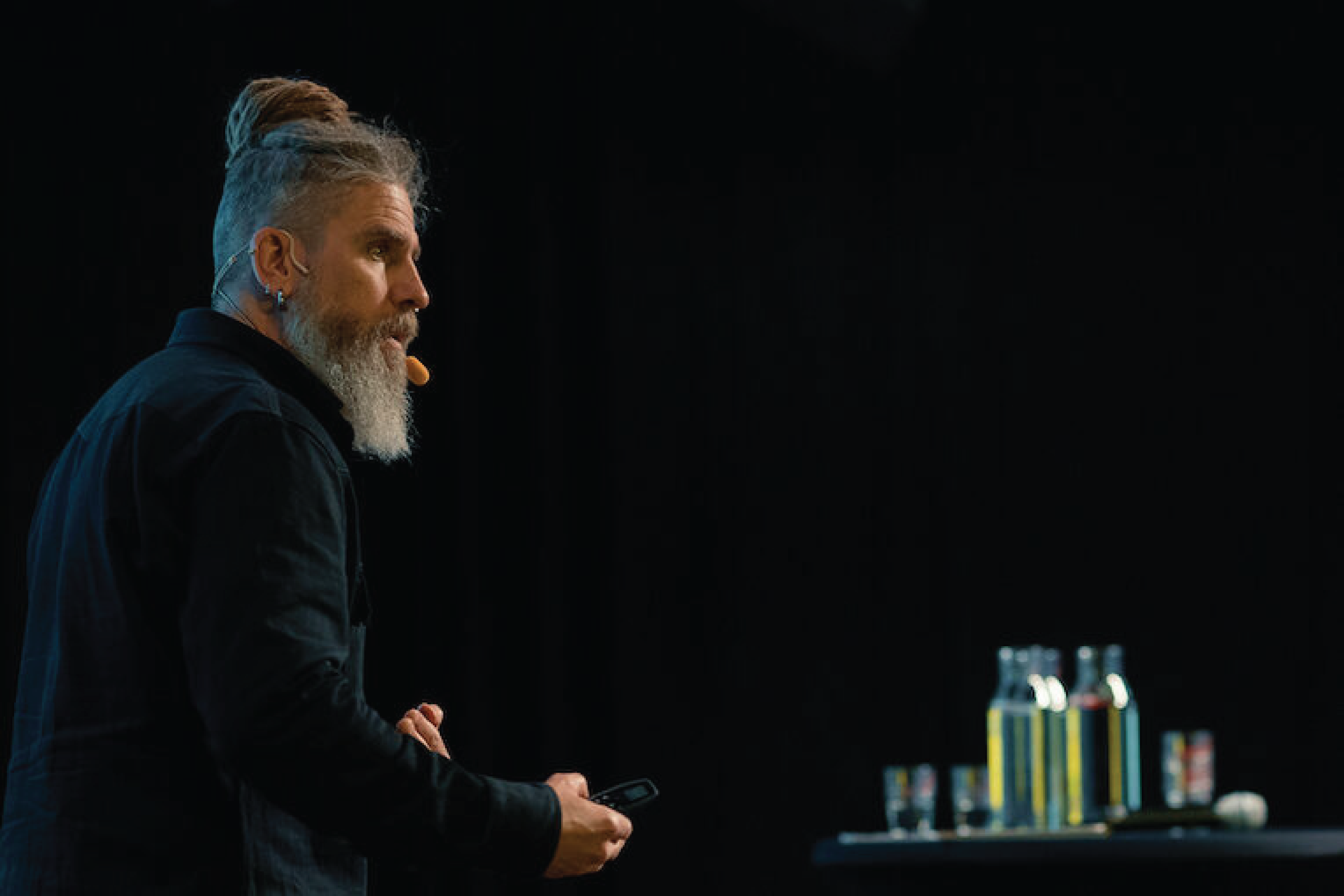
Guiding us through this exploration is Paul Graham Raven, a science fiction author, critic, and critical foresight practitioner. Paul has spent years examining how speculative stories influence technology, politics, and culture, and how futures thinking can benefit from the narrative power of fiction.
Expect a conversation that is curious, playful, and a little bit mind-bending.
Because if we want different futures, we have to get better at imagining them first.
Why Rogue Union is organising this event
At Rogue Union, we believe that futures work is not just about trends and signals. It’s about expanding the range of futures we can even conceive of. And sometimes the fastest way to do that isn’t a report or a framework. It’s a story.
Join us
Come if you are curious about:
the role of fiction in shaping real-world change
how imagination becomes strategy
how we can break out of the sector’s habit of incremental thinking
Or simply if you want to spend an hour with a room full of (hopeful) people asking, What kinds of futures are we not yet brave enough to imagine?

Science Fiction as Strategy
A Rogue Union Live Session
-with Paul Graham Raven
23 April 2026, 14:00 GMT
Online on Zoom
Open to all
The social impact sector talks a lot about changing the world.
But when it comes to imagining radically different worlds, our imagination often shrinks.
We optimize systems. We tweak policies.
Meanwhile, science fiction writers have spent decades imagining futures that break the frame entirely.
How can fiction be used as thought experiments that stretch what people believe is possible?
In this Rogue Union live session, we explore the question: What can social change leaders learn from science fiction?
Stories have a curious way of escaping the page. They move into culture, shape how people think about the future, and sometimes even influence the direction of technology and politics. In a networked world where ideas spread quickly and unpredictably, understanding how these shared imaginaries travel—from books into minds, and from there into society—can become a surprisingly practical strategic skill.
In this session, we’ll place science fiction within a longer history of imagining different worlds, including the utopian traditions that have inspired generations of social movements.
We’ll explore:
Why science fiction has shaped real technological and social change
What the utopian tradition can teach us, and where it has gone wrong
How stories function as thought experiments for the future
Why the social impact sector often suffers from a poverty of imagination
How activists, strategists, and entrepreneurs can might draw on speculative fiction thoughtfully rather than simply borrowing their aesthetics
Guiding us through this exploration is Paul Graham Raven, a science fiction author, critic, and critical foresight practitioner. Paul has spent years examining how speculative stories influence technology, politics, and culture, and how futures thinking can benefit from the narrative power of fiction.
Expect a conversation that is curious, playful, and a little bit mind-bending.
Because if we want different futures, we have to get better at imagining them first.
Why Rogue Union is organising this event
At Rogue Union, we believe that futures work is not just about trends and signals. It’s about expanding the range of futures we can even conceive of. And sometimes the fastest way to do that isn’t a report or a framework. It’s a story.
Join us
Come if you are curious about:
the role of fiction in shaping real-world change
how imagination becomes strategy
how we can break out of the sector’s habit of incremental thinking
Or simply if you want to spend an hour with a room full of (hopeful) people asking, What kinds of futures are we not yet brave enough to imagine?
Science Fiction as Strategy
A Rogue Union Live Session
-with Paul Graham Raven
23 April 2026, 14:00 GMT
Online on Zoom
Open to all
The social impact sector talks a lot about changing the world.
But when it comes to imagining radically different worlds, our imagination often shrinks.
We optimize systems. We tweak policies.
Meanwhile, science fiction writers have spent decades imagining futures that break the frame entirely.
How can fiction be used as thought experiments that stretch what people believe is possible?
In this Rogue Union live session, we explore the question: What can social change leaders learn from science fiction?
Stories have a curious way of escaping the page. They move into culture, shape how people think about the future, and sometimes even influence the direction of technology and politics. In a networked world where ideas spread quickly and unpredictably, understanding how these shared imaginaries travel—from books into minds, and from there into society—can become a surprisingly practical strategic skill.
In this session, we’ll place science fiction within a longer history of imagining different worlds, including the utopian traditions that have inspired generations of social movements.
We’ll explore:
Why science fiction has shaped real technological and social change
What the utopian tradition can teach us, and where it has gone wrong
How stories function as thought experiments for the future
Why the social impact sector often suffers from a poverty of imagination
How activists, strategists, and entrepreneurs can might draw on speculative fiction thoughtfully rather than simply borrowing their aesthetics
Guiding us through this exploration is Paul Graham Raven, a science fiction author, critic, and critical foresight practitioner. Paul has spent years examining how speculative stories influence technology, politics, and culture, and how futures thinking can benefit from the narrative power of fiction.
Expect a conversation that is curious, playful, and a little bit mind-bending.
Because if we want different futures, we have to get better at imagining them first.
Why Rogue Union is organising this event
At Rogue Union, we believe that futures work is not just about trends and signals. It’s about expanding the range of futures we can even conceive of. And sometimes the fastest way to do that isn’t a report or a framework. It’s a story.
Join us
Come if you are curious about:
the role of fiction in shaping real-world change
how imagination becomes strategy
how we can break out of the sector’s habit of incremental thinking
Or simply if you want to spend an hour with a room full of (hopeful) people asking, What kinds of futures are we not yet brave enough to imagine?
